
Bronze Crowns
-

Maximum Outer Diameter up to 4000 mm
-

Maximum Weight of a Single Piece 5 tons
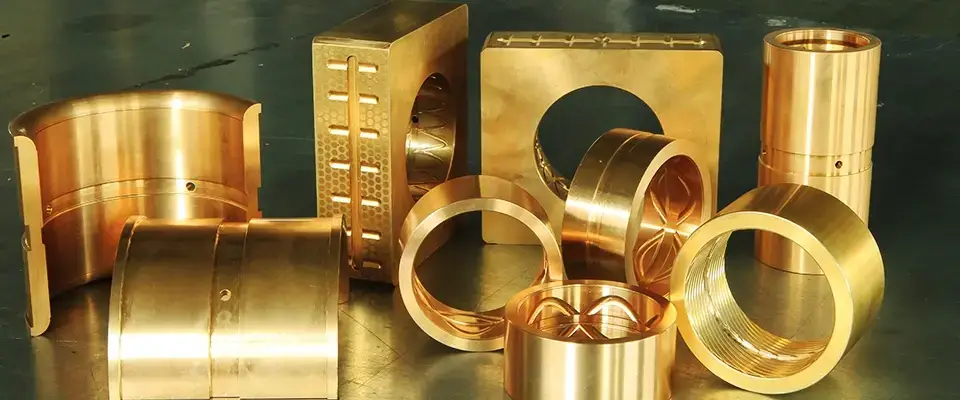
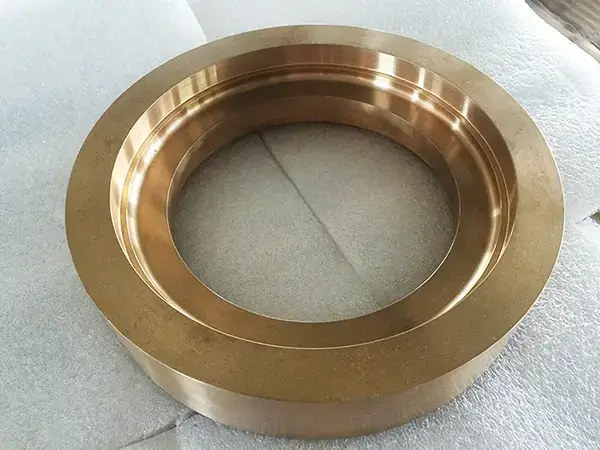
Bronze crowns are components widely used in industrial machinery that require high strength, wear resistance, anti-friction properties, compressive strength, and corrosion resistance. They are designed to handle heavy loads while keeping friction and wear to a minimum, even in demanding or corrosive environments. Bronze crowns are generally used in gearboxes, turbines, and heavy-duty transmission systems, and can be customized to match the equipment’s size and performance needs. Each crown is made with high-grade alloys such as C83600, C63000, C90700, C91700, and C90500, ensuring durability, stability, and consistent operation over time.
| Material No. | Category | Core Properties | Typical Applications |
|
|
High-Leaded Tin Bronze | • Balanced mechanical strength • Wear resistant and good anti-seizing performance |
Used for manufacturing gears, worm wheels, worm shafts, bearing shells, screws, nuts, and connectors. |
|
|
Aluminum Bronze | • High strength and hardness (tensile strength 690–895 MPa, hardness HB 180–250) • Outstanding corrosion resistance |
Applied in drive gears, support plates, high-pressure pump sleeves, corrosion-resistant pipelines, reactor liners, and valve components. |
|
|
Phosphor Bronze | • Good wear resistance • Easy to machine and shape |
Commonly used for bearing sleeves, bushings, and sliding blocks. |
|
|
High-Tin Bronze | • Excellent heat resistance • Good casting performance |
Suitable for machine guide blocks and bearing shells. |
|
|
Tin–Zinc Bronze | • Well-balanced mechanical properties • Easy to cast and weld |
Used for small and medium-sized gears, couplings, pulleys, pump wheels, and valve parts. |
Excellent wear resistance and self-lubricating properties
- Tin bronze has a naturally low friction coefficient when paired with steel or other metals, helping reduce wear and extend service life.
- Its structure allows small particles or metal fragments to embed slightly without scratching the surface, which is ideal for dusty or abrasive conditions.
- Bronze crowns can operate smoothly even without external lubrication, making them reliable for low-speed, intermittent, or hard-to-maintain equipment.
Outstanding corrosion resistance
- Bronze remains stable when exposed to seawater, humidity, or mild acids, so it performs well in marine, outdoor, and chemical environments.
- It also shows strong resistance to rust and oxidation after long exposure to air, which is why it’s often used in restoration work and antique-style machinery.
Bronze crowns have been used for centuries and remain as important components in modern machinery because of their strength, wear resistance, and corrosion protection. They are used in various industries:
- Industrial equipment: Commonly used in mining, metallurgy, and chemical machinery, bronze crowns serve as wear-resistant parts such as gears, bushings, and worm wheels that operate under heavy loads and friction.
- Marine and power generation: In ships, bronze crowns are used in propellers and gear assemblies to improve wear resistance and efficiency. In the power industry, they are applied in generator systems to enhance stability and ensure reliable performance.
- Construction, aerospace, and defense: In construction, bronze crowns can be found in bridge components and high-rise railings; in aerospace, they’re used for landing gear parts; and in defense equipment, they serve in the transmission systems of tanks and armored vehicles.
- R&D Capability
We handle every production stage independently, from the development and casting of bronze wear parts to machining and quality inspection. This allows us to have full control over product quality and ensures that each process is backed by our proprietary know-how and patented technologies.
- Industry Experience
Backed by more than 40 years of experience, we specialize in bronze wear parts for wind power, mining, hydropower, marine, and oil extraction equipment. Our product catalog includes bronze and steel bearings, bushings, and other wear components. We have long-term partnerships with several Fortune 500 companies within these industries.
- Production Strength
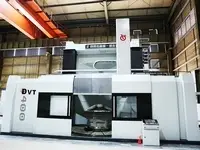
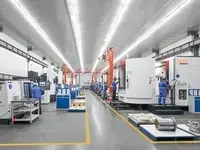
Our workshop is equipped with 20 advanced five-axis machining centers from MAZAK and MAKINO, along with 35 imported turning and milling machines. The 5,000 m² temperature-controlled facility is operated by experienced CNC technicians who make sure every part is machined with accuracy and consistency.
- Quality Control and Certifications
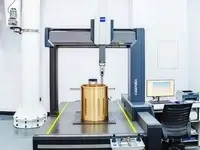
We manage every step of production in-house, following ISO9001 and CCS quality standards to ensure consistent results. Our CNAS-accredited laboratory (CNAS L5937) and skilled inspection team handle all testing and verification, including material composition, hardness, tensile strength, and microstructure, along with non-destructive tests such as UT, PT, and VT. All procedures comply with GB, ASTM, ISO, JIS, and YS standards.




Yes. Bronze bearings are made following ISO and DIN standards for materials, precision, and surface finish. They can be used with equipment that is manufactured under international requirements, ensuring consistent performance across different applications.
Bronze nuts, sliding bearings and other wear parts can be manufactured according to customer drawings and specifications. Each wear part will be manufactured with micron-level precision to match specific design or size requirements in different industries.
Reinforced bronze bearings can be produced with thick-wall construction to handle repeated shock loads. Through the use of composite materials, strengthened structures, and optimized processing, these bearings offer higher impact resistance and longer service life. Custom designs are also available to meet specific equipment requirements.
Inspection and testing reports can be issued according to railway industry standards. All reports follow ISO9001 and CNAS certification requirements to guarantee accuracy and reliability.
Bronze bearings with solid lubricants can be provided for high-pressure compressor systems. Using a composite design that combines a copper alloy base with embedded lubricating materials, these bearings offer high wear resistance, self-lubricating performance, and reliable operation under extreme conditions with little or no maintenance.